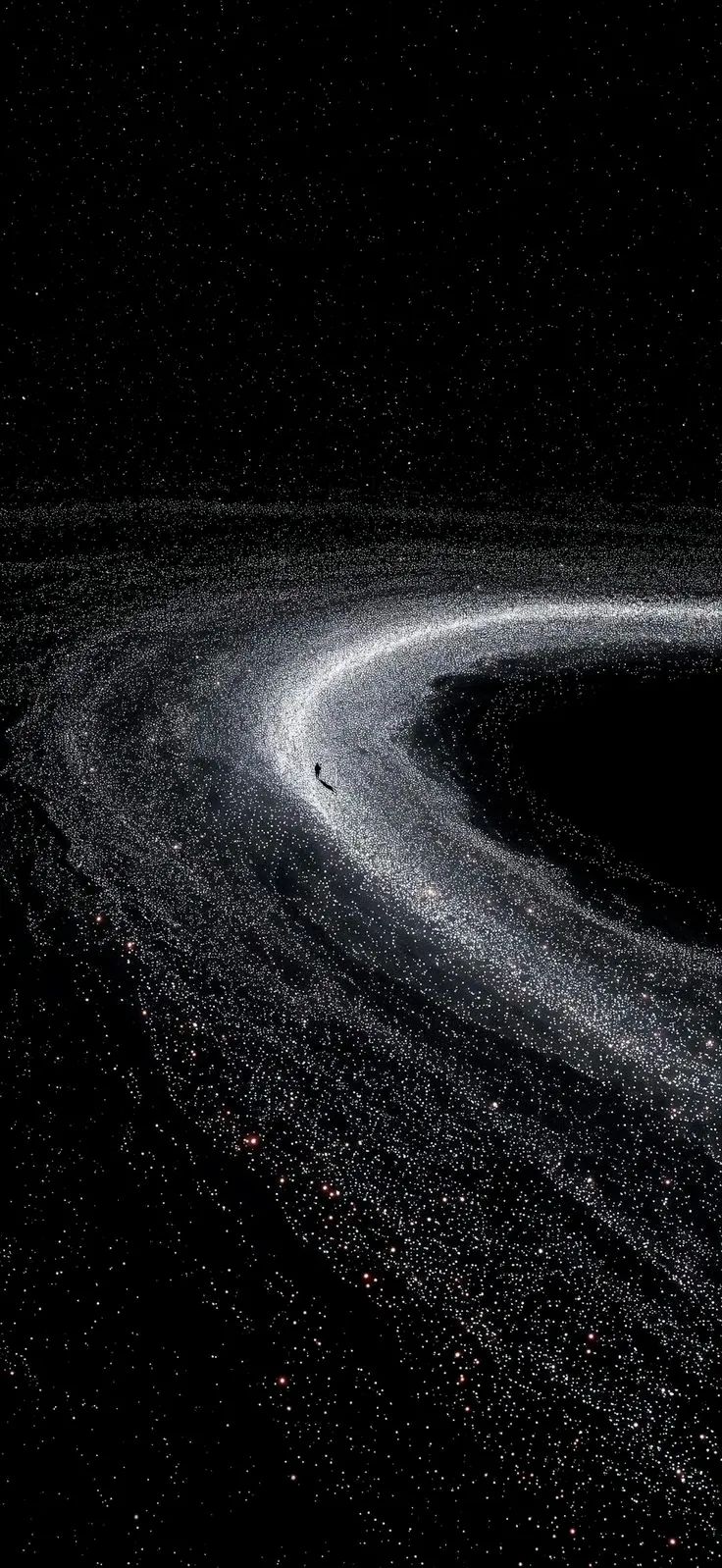
When it began, it was an attempt to fill the void. Today, they have swollen into monstrous ambitions.
Towering creatures with red-brown scarred skin, webbed hands, and protective horns, they walk the land unchecked. Hungry. Feeding on anxiety, time, and the corpses of conquered skills tossed aside in pursuit of newer ones. Their legs, thick as tree trunks, hold fast as they sink deeper into the mires.
Yet it does not rain water in the mires of my mind.
Acid rain, distilled from the fear of oblivion and existential dread, pours endlessly in futile attempts to erase all traces of life from the landscape. For the most part, it succeeds. But the monsters endure, carrying their scars with pride and growing only thirstier.
Have I let them grow for too long?
I have reached a point of no return. I am nobody until I become someone in my own eyes, and becoming someone worthy in my own eyes may take a lifetime of devotion. Until then, there will be no green in the mires.
For a brief while, however, the landscape softens into a summer farm.
I see a boy sitting beside his grandfather in the front yard of their village house on a warm summer evening. A breeze stirs through the leaves of the mango tree circling the yard and brushes against the boy’s face like the memory itself, fleeting, gentle, almost unreal.
The boy and the old man speak of something trivial or profound; it is difficult to tell the difference at that age. Their faces glow softly in the fading light, their eyes carrying the quiet twinkle of people fully inhabiting a moment. This world feels unhurried, untouched by urgency.
Night falls.
The boy and the old man lie side by side on a mattress spread across the rooftop. Above them stretches a pitch-black half-bowl sky, crowded with stars, bright, dim, flickering, eternal. Across it runs a celestial river: a luminous band of scattered light sweeping through the darkness.
Tonight, the boy receives his first lesson in astronomy.
The old man points toward a cluster of stars in the north and tells him about the Saptarishis. In the nights that follow, the boy will come to recognize those seven stars instantly, by many names: the Big Dipper, Ursa Major, the Seven Sages, Saptarishis.
Then come the stories. Then the riddles. Such is the bedtime ritual whenever the boy visits his grandparents.
But reality arrives like a storm.
The world spirals violently around him, transforming the summer farm into a wasteland of acid rain and skeletal trees.
The sands of a life once lived swirl through the storm: shared meals from the same plate, summer afternoons and nights where the boy eats from the old man’s dish; bathing in the river, the boy struggling futilely to learn how to swim while his grandfather floats effortlessly upon the water with only the slightest movement of his limbs; visits to the market, where the grandfather buys the boy a new watch every few years; birthdays marked by small gifts, like a glowing pen.
I stand at the center of the storm, trying desperately to grasp a few of these grains among the dust encircling me. I feel that if I close my fist tightly enough, I can keep these moments with me forever.
And whenever someone asks me about my favorite memory, or something I hold dear, I open my fist just enough to let a little warmth seep back into my world.
– ni
Leave a Reply